

How Yarra Bend Park and Australia's Wilderness Influence Photography
Discovering Yarra Bend Park
Yarra Bend Park, with its expansive trails and varied ecosystems, offers photographers a plethora of opportunities to capture breathtaking images. The park is home to iconic wildlife spots that showcase Australia's rich biodiversity. As an environmentally-conscious photographer, capturing these moments feels like a responsibility, a way of preserving the beauty and diversity of our ecosystems. Similarly, those seeking unique wildlife experiences can also explore Tanzania tours for unforgettable safaris and conservation efforts.
The unique flora and fauna of Yarra Bend Park are a testament to Australia's vast natural wealth. Purple swamphens, rainbow lorikeets, and shy water rats are just a few of the species that you might glimpse alongside the Yarra River. As a photographer, these encounters fascinate me as much as they push me to produce compelling images that speak to the significance of biodiversity.
When the seasons change, so does the palette of the park, offering different photographic opportunities throughout the year. From the vibrant hues of spring blooms to the muted tones of winter mornings, each season presents a distinct set of challenges and rewards. This dynamic environment is akin to the ever-changing botswana tours, where the shifting sands and migrating wildlife create compelling subjects.
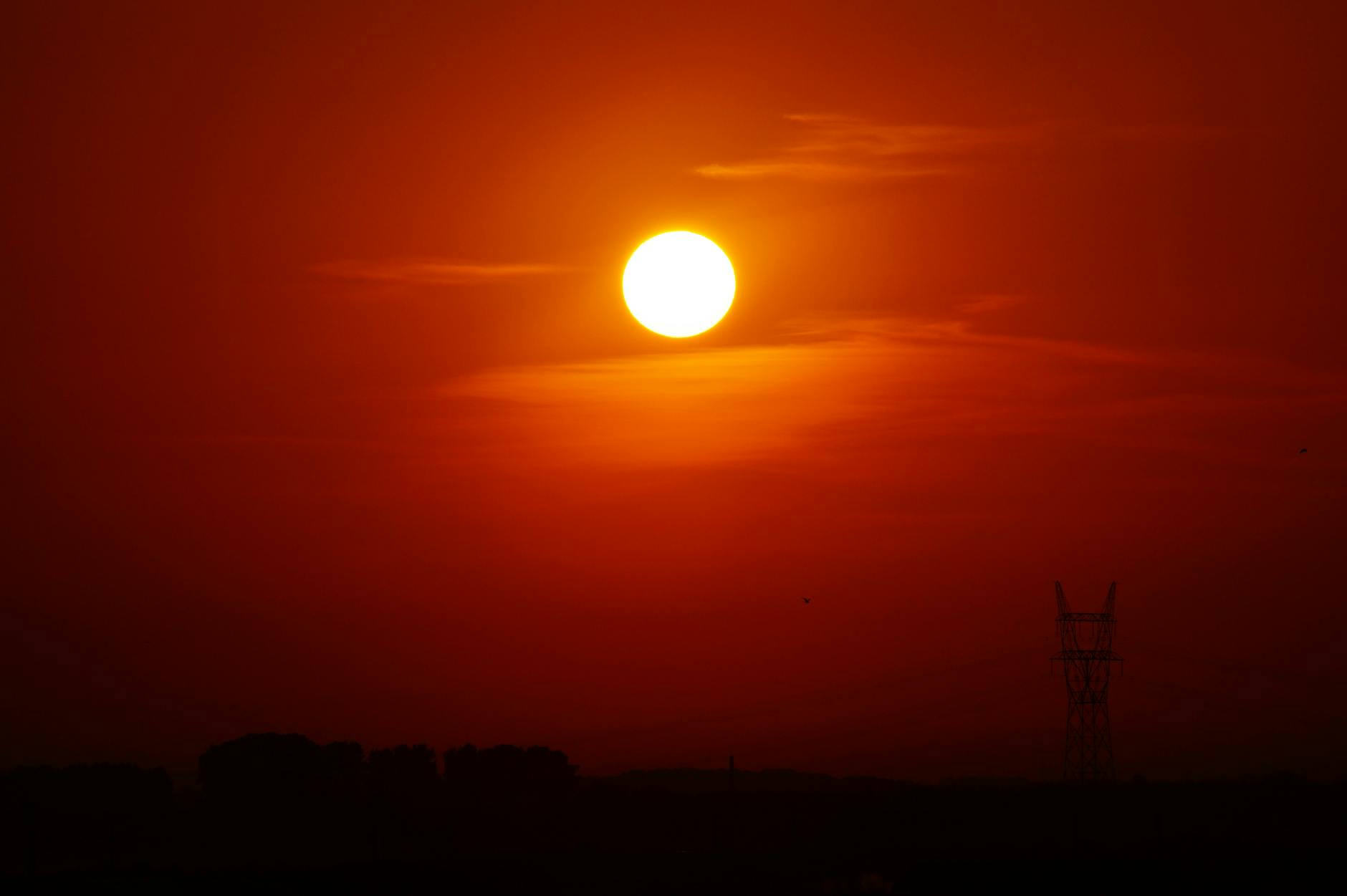
Throughout the park, the interplay of light and shadow beneath the towering gum trees offers endless potential for creative expression. Whether photographing at dawn or dusk, the ambient light offers unique opportunities to emphasize the textures and colours of the landscape.
Capturing the Australian Wilderness
Photography in the Australian wilderness offers unparalleled opportunities for capturing vibrant landscapes and diverse wildlife. One of my favourite experiences is the Victoria Falls safari in the Yarra Bend Park's natural landscapes. The dynamic environment provides a backdrop that enhances the story behind every photograph. This isn't just about getting the perfect shot but embracing each moment as part of a larger narrative. Australia's vast terrains present endless potential for discovery and documentation.
Best Wilderness Locations
Choosing the right location is crucial. In Fitzroy's vibrant street art areas, unexpected wildlife sightings can surprise and inspire photographers. It's the broader expanse of places like Kakadu National Park, where seasonal wetlands and rocky outcrops create a palette of visual stories. Such locations are well-suited for capturing the interplay between light, colour, and movement.
Iconic Australian Landscapes
Australian landscapes vary dramatically from one region to another, offering myriad possibilities for captivating images. The Royal Botanic Gardens is a gem in Melbourne, boasting a wide array of plant species and beautifully curated spaces. Exploring here can open up new angles and unexpected compositions that highlight the unique blend of the city's urban and natural beauty.
Remote Photography Essentials
Equipping oneself for remote photography involves more than packing a camera. Essential gear includes durable clothing, weather-resistant bags, and portable power sources. For those considering a tailormade Africa photography expedition, as an ecology-conscious photographer, balancing technology with the technological footprint is essential. Each decision, from choosing reusable storage devices to solar-powered equipment, contributes to a more sustainable practice.
Techniques for Impactful Shots
Using Natural Light
Natural light can make or break a photograph. As you explore varied landscapes, such as the vibrant street art of Fitzroy, pay attention to the distinct qualities of light at different times of the day. For arctic cruises, the soft golden hues during early mornings or late afternoons bring out textures and tones remarkably well. Adjust your camera settings to harness this light; using a lower ISO for bright scenes or a higher one for dim conditions can enhance the photo's mood.
Framing with Nature
Positioning is crucial in nature photography. Frame your subjects against backgrounds that offer contrast and interest. Whether photographing the majestic albatross on a south georgia cruise or capturing the delicate balance of flora and fauna, let the natural environment guide your composition. Consider using elements like branches or rocks to create layers that add depth to your pictures.
Long Exposure Tips
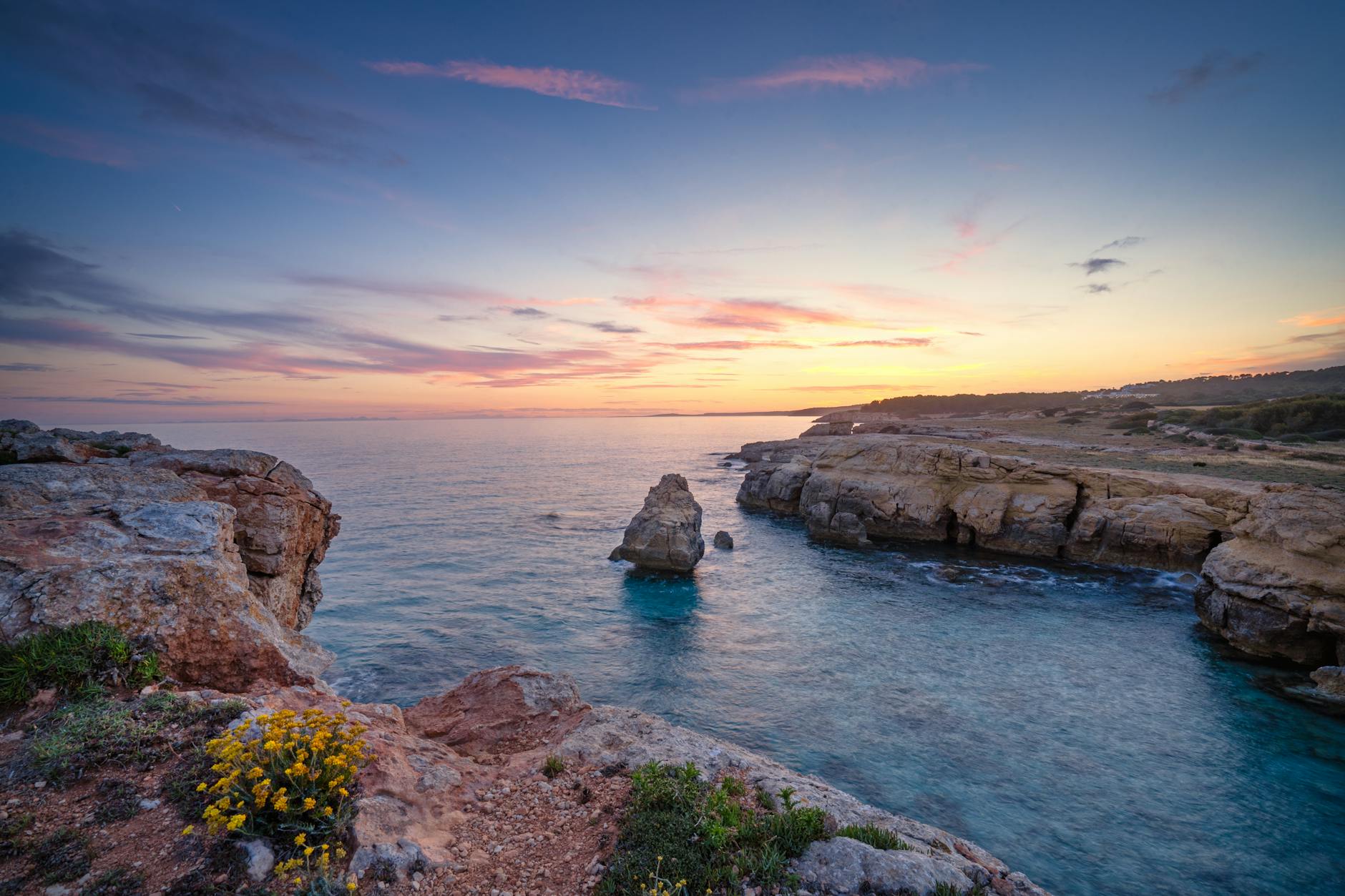
For those surreal, ethereal images of waterfalls or oceans, long exposures can be magical. In locations akin to Yarra Bend Park's natural landscapes, use neutral density filters to control the light entering your lens. Stabilising your camera with a tripod will ensure crisp captures despite extended shutter speeds. Experiment with varying exposure times to see how motion is captured. By blending these techniques, your photographs can become powerful stories of the environment and its untamed beauty.
Conservation Through Photography
Telling Stories of Nature
Photography serves as a powerful tool to share the untold stories of our planet's unique ecosystems. When capturing images during experiences like Central America tours or a Namibia safari, the key lies in presenting authentic narratives. Each snapshot should evoke an appreciation for the diverse life forms and the intricate interconnections within ecosystems. As a dedicated photographer, I focus on highlighting the delicate balance within these environments, aiming to inspire others to value and protect them.
Raising Awareness
Beyond storytelling, photography can play a pivotal role in raising awareness about pressing environmental issues. By showcasing images of endangered species or threatened habitats, photographers can draw attention to the urgency of conservation efforts. For example, capturing the vibrant street art of Fitzroy or the lush landscapes of Yarra Bend Park in Melbourne can serve as visual reminders of what stands to be lost without concerted efforts. Leveraging platforms like Instagram helps reach a global audience, fostering a community of like-minded individuals dedicated to ecological preservation.
Balancing Photography and Preservation
Striking a balance between fulfilling photography goals and ensuring minimal ecological impact is crucial. It's important to adopt sustainable practices, such as using eco-friendly materials and following local guidelines during shoots in natural locations. Respecting wildlife and maintaining distance to minimize disturbance preserves the integrity of the habitats you capture. By prioritizing environmental insights, photographers can advocate for responsible practices while still achieving striking and impactful images.
Common Mistakes in Wilderness Photography
Misjudging the Weather
Often, I find that even the best photographers in Melbourne underestimate the whimsical nature of weather around Yarra Bend Park. When setting out to capture landscapes or wildlife, always keep an eye on the forecast. Weather conditions can transform a serene picture into a dynamic masterpiece or, conversely, make it a challenge to capture anything worthwhile. Be prepared for sudden changes, whether it’s the shimmering sunlight reflecting off gum leaves or an unexpected downpour that paints the skies over Fitzroy in dramatic hues. This connection with nature shows us how the unpredictable can sometimes be the most beautiful element in our photos.
Overpacking Equipment
In pursuit of the perfect shot, less can indeed be more. Navigating the spectacular yet rugged terrain of Australia's wilderness becomes cumbersome when you’re laden with excess gear. Bring only what you truly need. A lightweight setup not only keeps you nimble but also allows for more spontaneous, creative photography. When capturing the vibrant street art of Melbourne or the tranquil vistas of the Royal Botanic Gardens, your mobility is essential.
Skipping Ethical Guidelines
Lastly, neglecting ethical photography practices can harm the very environment we're trying to celebrate. Remember to respect Australia's delicate ecosystems: approach natural habitats with care, avoid leaving any waste behind, and keep a respectful distance from wildlife. By doing so, we become storytellers who not only showcase beauty but also champion ecological preservation. Let’s make sure the stories we tell inspire both awe and action.